
Underwriting platform
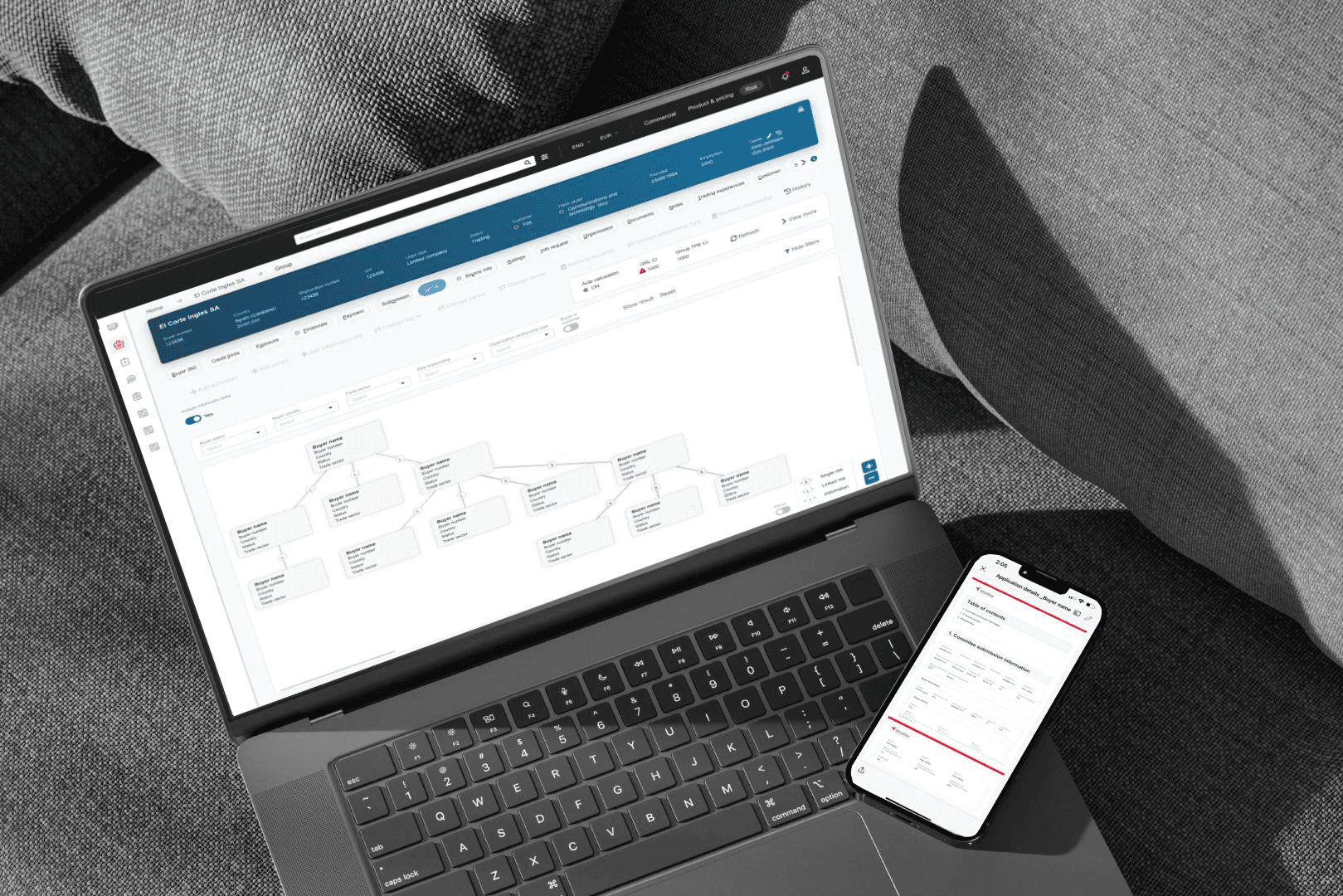
Aiding automation for a busy underwriter's workflow through design
Details
3+ years at IBM, part of a client project with 2 designers, used by 1000+ underwriters worldwide
Year
Aug 2021 - July 2024
Tools and Platforms
Prototyping on Sketch and Figma, Dev platform: React, Oracle Jet, Power BI, Power apps, Documentation and Collaboration on: Confluence, Zeplin, Jira
Problem
When businesses risk or lose money due to slow payment or non-payment from other businesses, insuring them from such risks is the task of credit insurance.
Our client was a leading global credit insurance company.
Underwriters (UW) process 100+ cases/day; inefficiency directly meant slower decisions and business risk.
The client wanted to rebuild their underwriting platform incorporating automation and merging new data from acquired companies.
Role & Impact
I led the redesign of complex workflows for underwriters while working with them. Adapted the design method for 2-week agile sprints and redesigned the design system, working on the overall interconnected user journeys and designing 20+features end-to-end.
Reduced fake cases and automated many logistical tasks to make their workflow simpler, faster and more efficient. Ending up reducing the task completion time by 30%
Here I have shown the project in brief, only talking about core challenges we addressed. Detailed case study available on request.
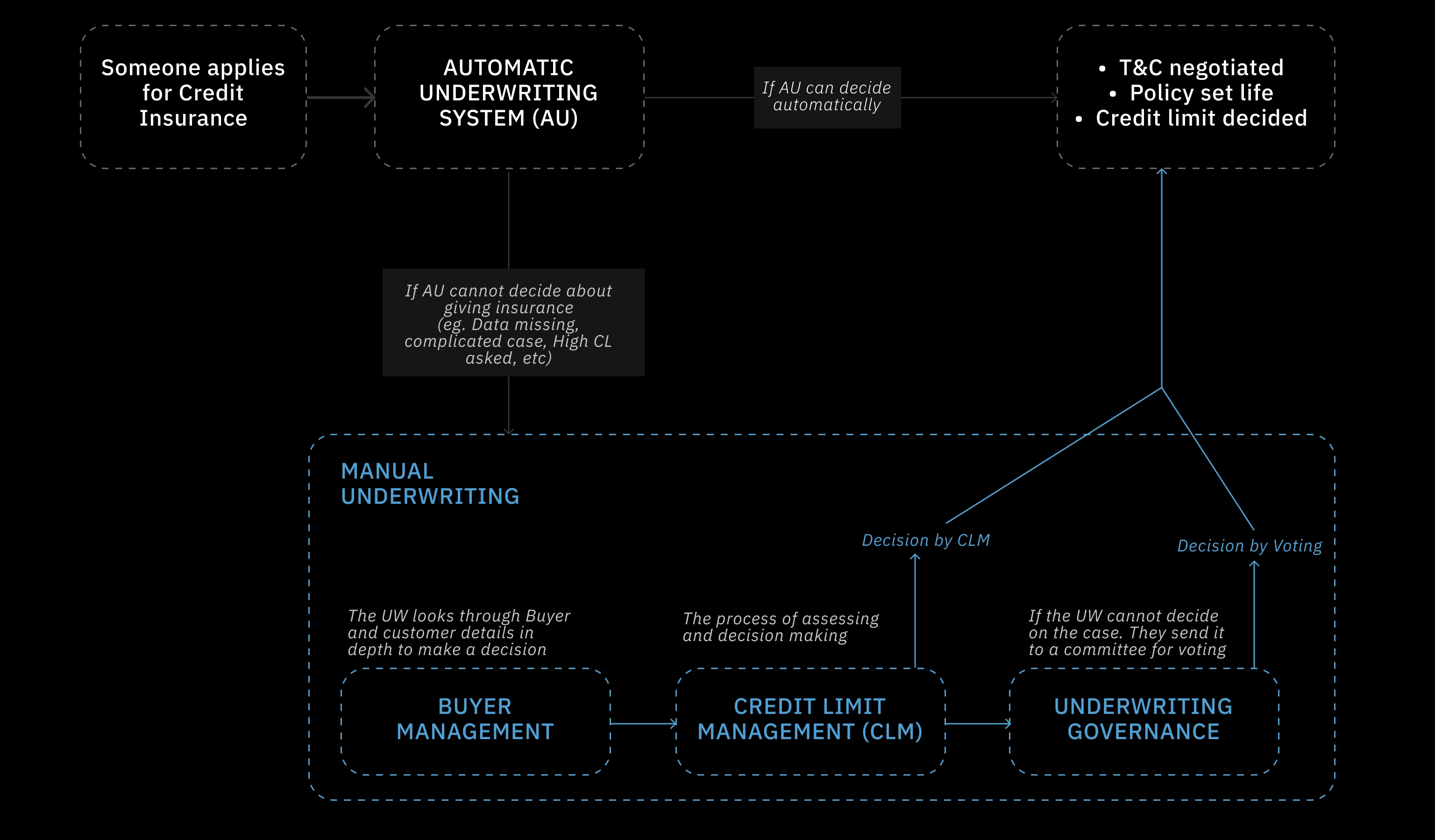
Automatic and manual underwriting:
The company introduced Automatic Underwriting System which decides for simpler cases. Complex cases go to the Underwriting platform where it is reviewed manually (in blue). Our job was to build the manual underwriting platform, making the underwriter's work easier and aid automation in the workflow through design.
Project goals & challenges
After user research, understanding business goals and observing the overall work setup (2 week sprints, working with senior underwriters as product owners, legacy code and constraints), we found out that there is more to user's needs we need to address.

Addressing designer's challenge:
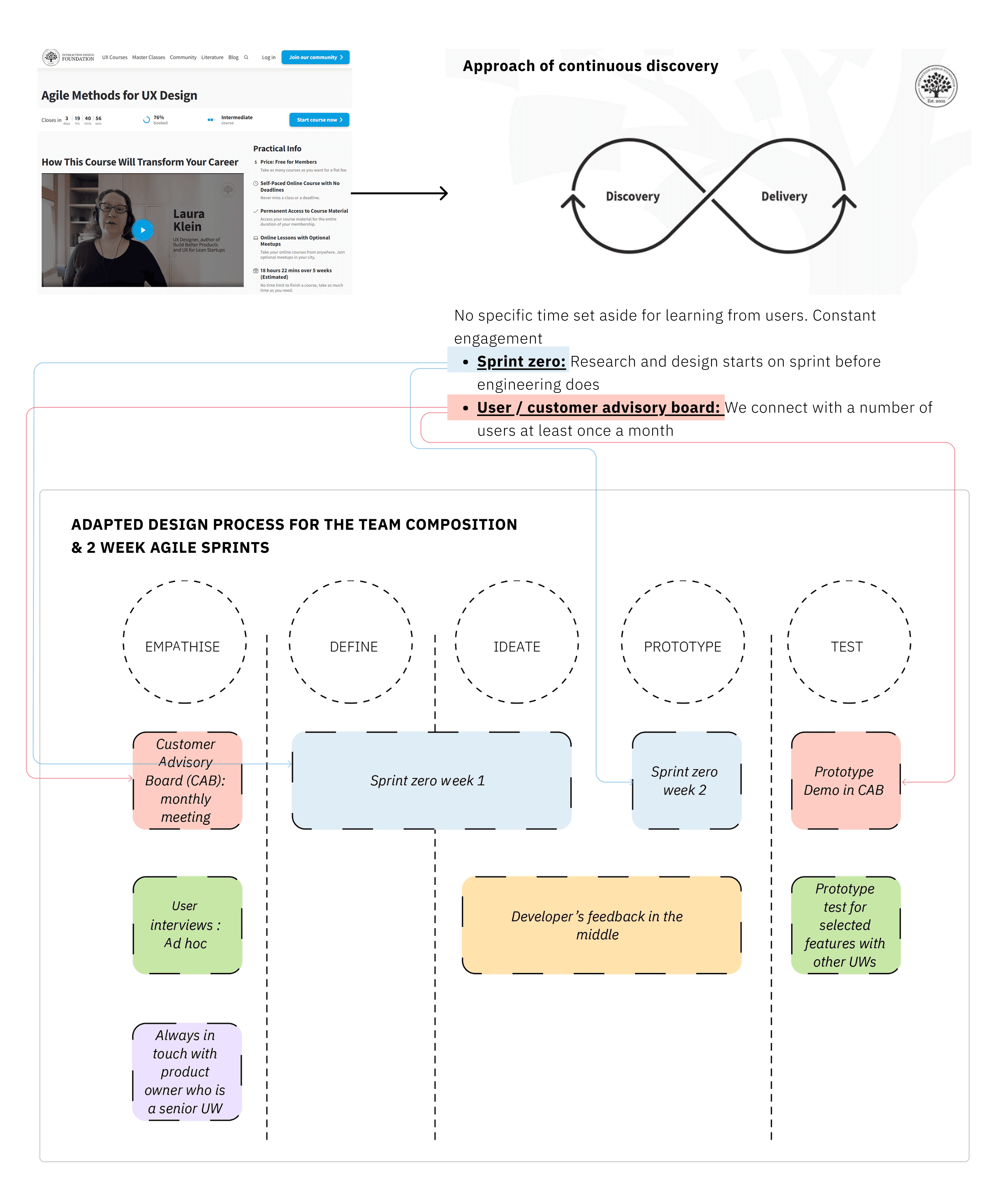
Research and design in agile + complex field knowledge + old tool underwriter’s bias
This unique case pushed us to rethink the design process setup for this project. When every feature is supposed to be designed in 2 week agile sprints (where there is no specific time set aside for user research and testing), we borrowed some concepts and the design and research approach of "Continuous Discovery" from the course Agile methods for UX design by IDF and tried applying it.
Addressing engineer's challenge:
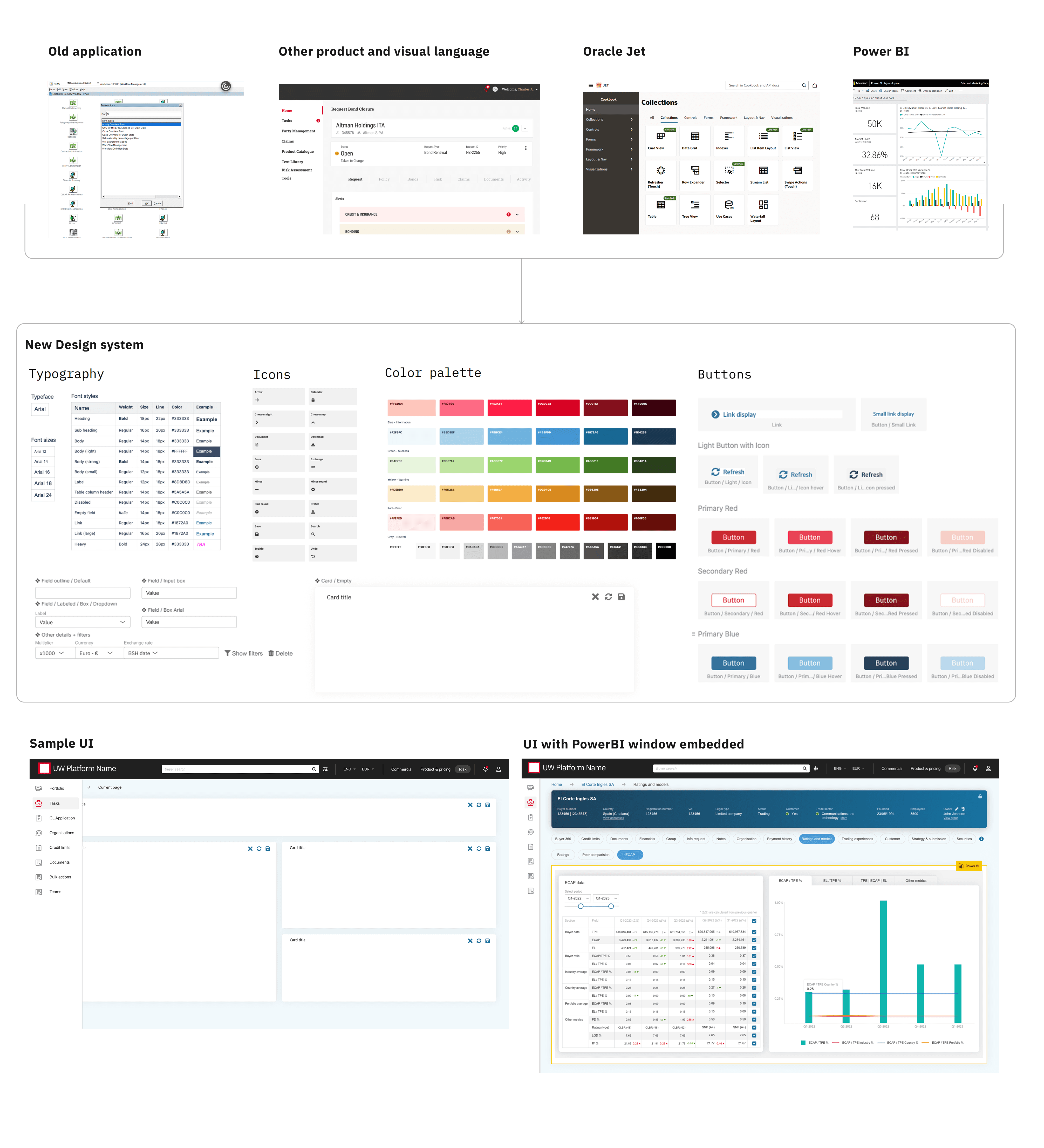
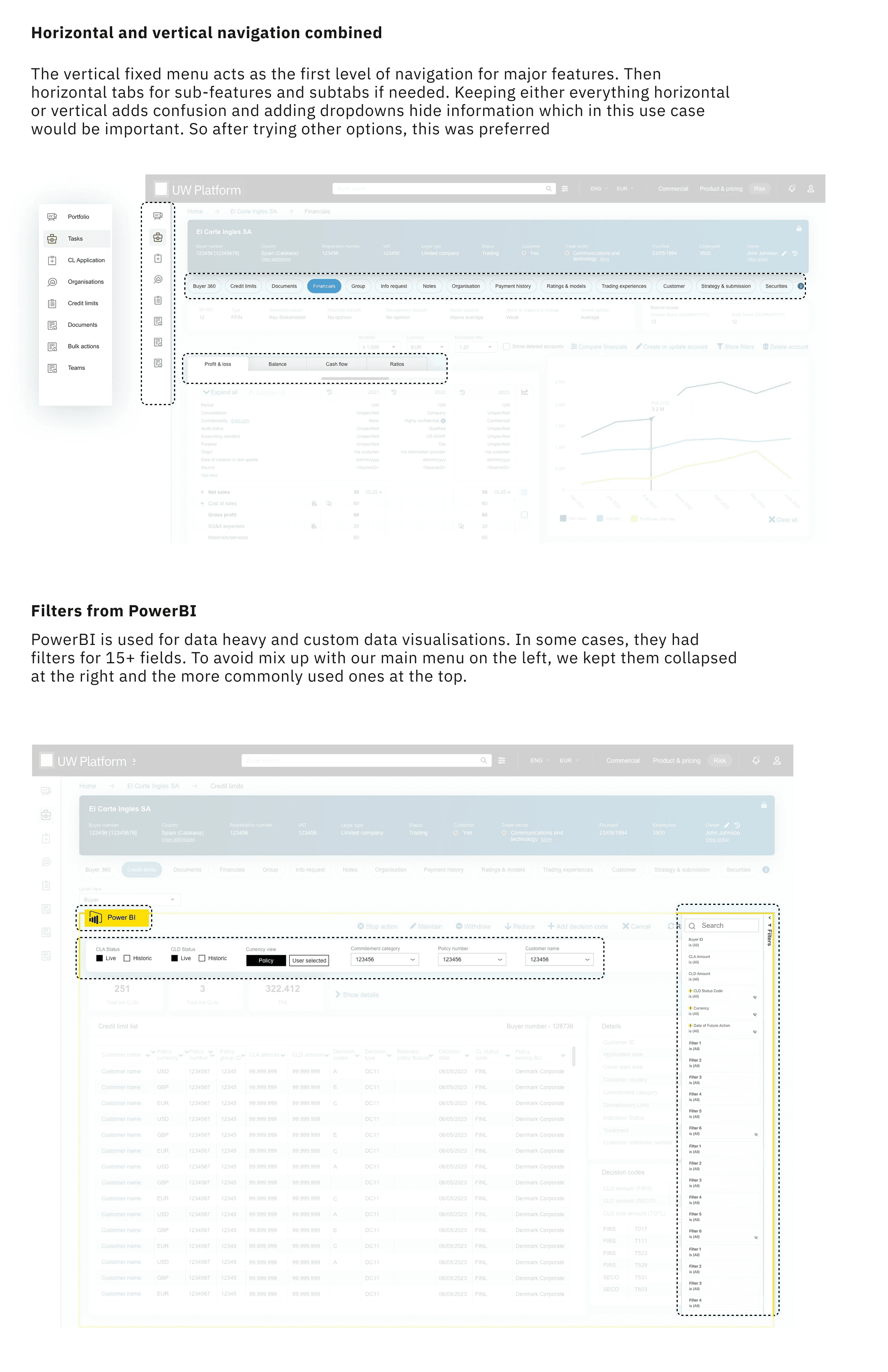
How do we embed third party (Power BI, Power Apps) and keep UI coherent + Adapt to OJet constraints
The previous platform was built long back and needed a look and feel update. Whereas there was already a client facing app and brand guidelines. The front end was built using Oracle Jet and we also had to incorporate Power BI for data heavy parts. We had to come up with a new design system which took account of all these while being unique and visually appealing.
Addressing business/user need: How do we aid automation?
Automatic underwriting, was one of the primary business goal was also the most helpful for underwriters for reducing the number of cases UW work on. By adding dynamic behaviour, we avoided fake cases coming in, and also making the interface simple with lesser API calls.


Addressing user's challenge 1: How do we reduce underwriter’s workload?


Addressing user's challenge 2:
How do we design for speed?
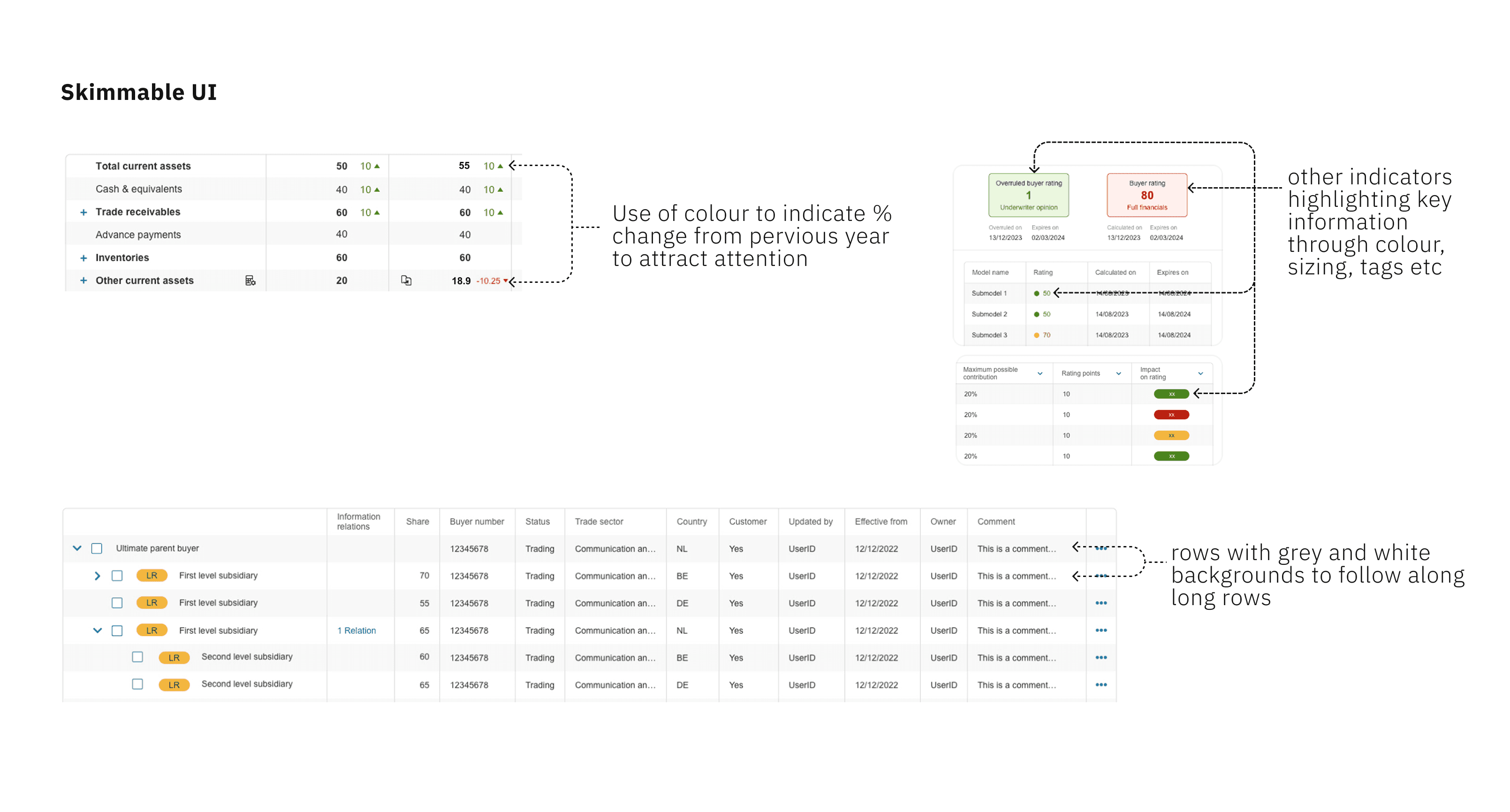
Underwriters go through 100+ cases everyday therefore speed and efficiency becomes important. We achieved that though different methods; like UI elements to make pages skimmable, reducing clicks and designing for keyboard shortcuts.

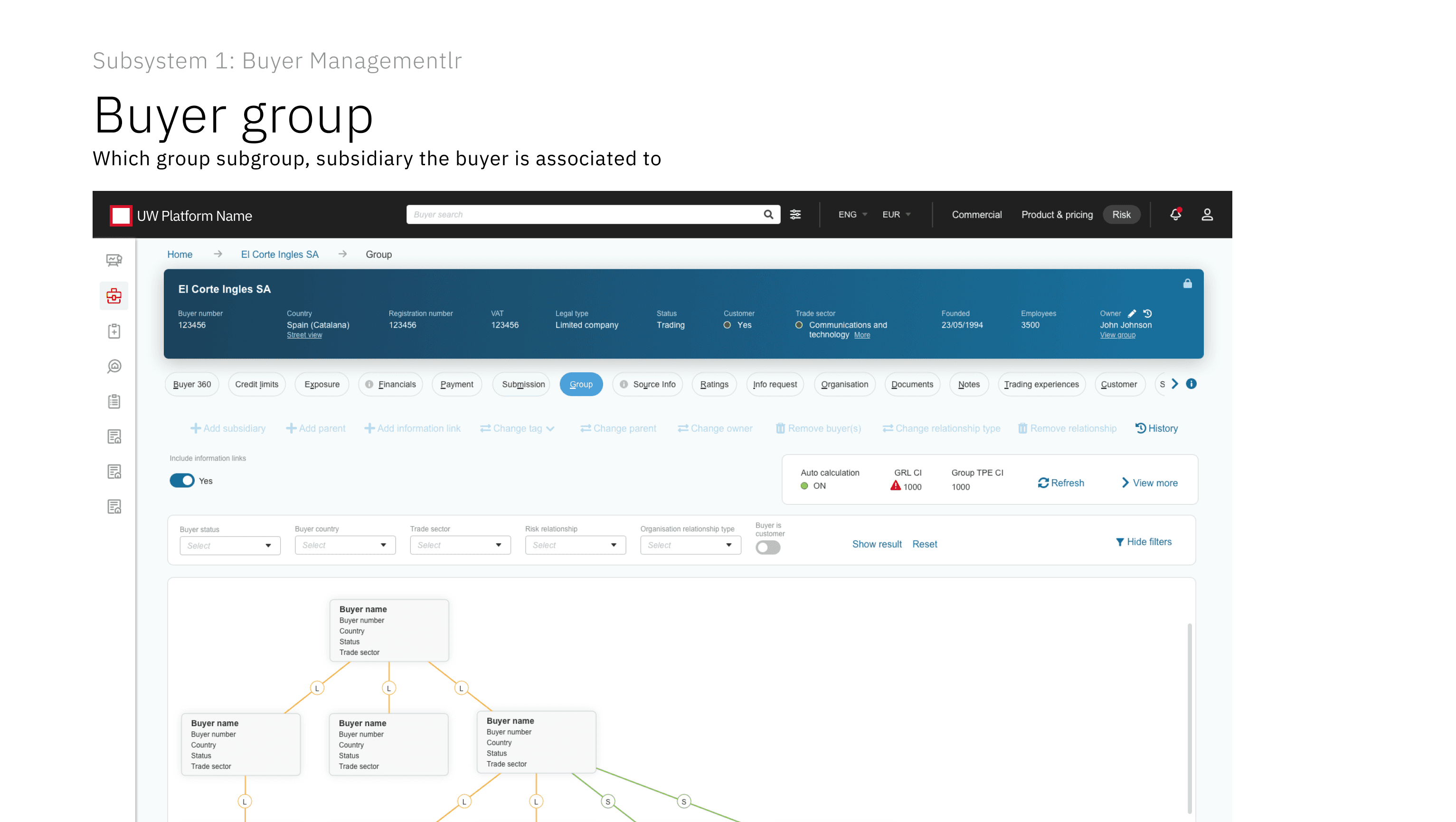
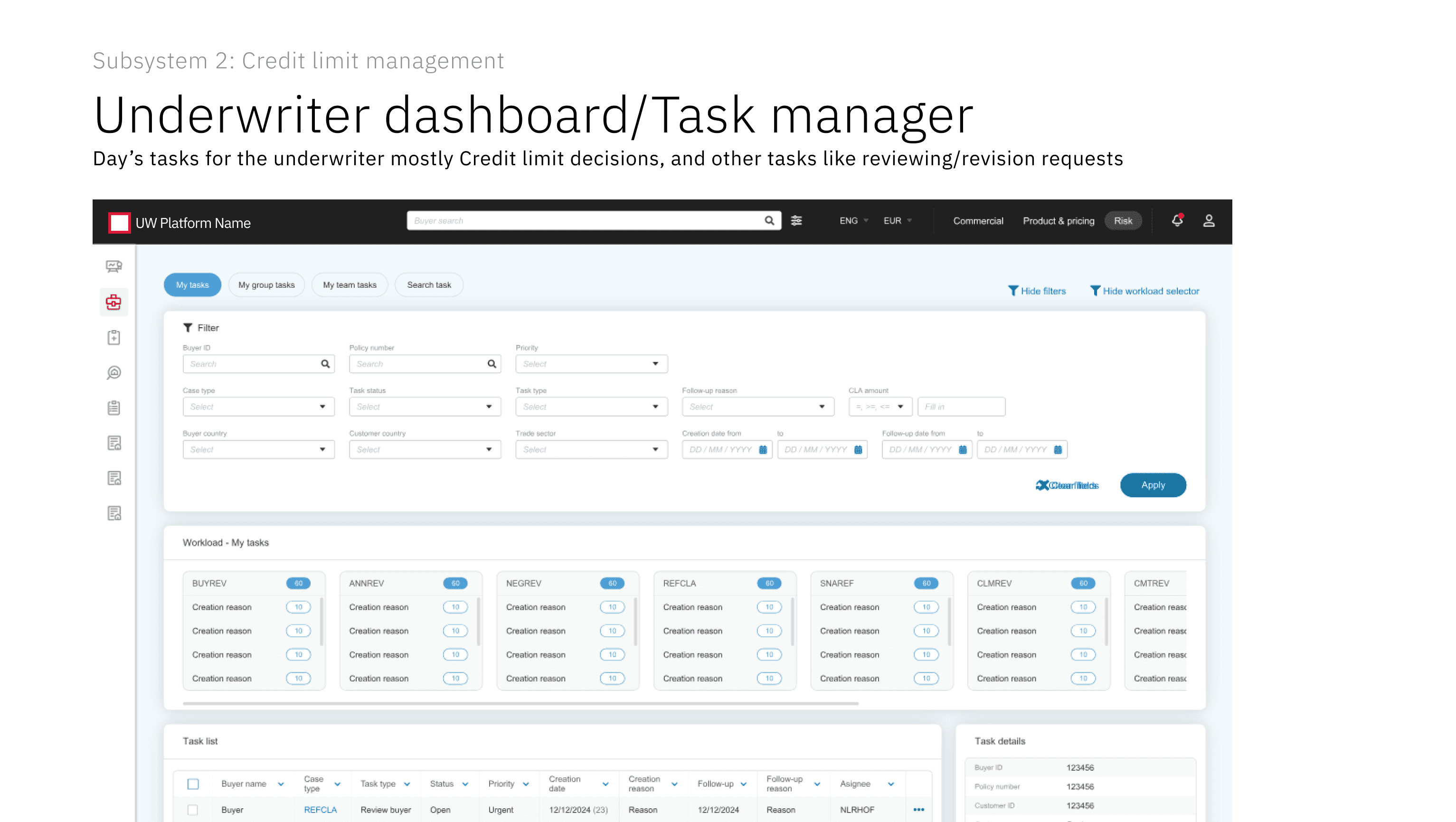
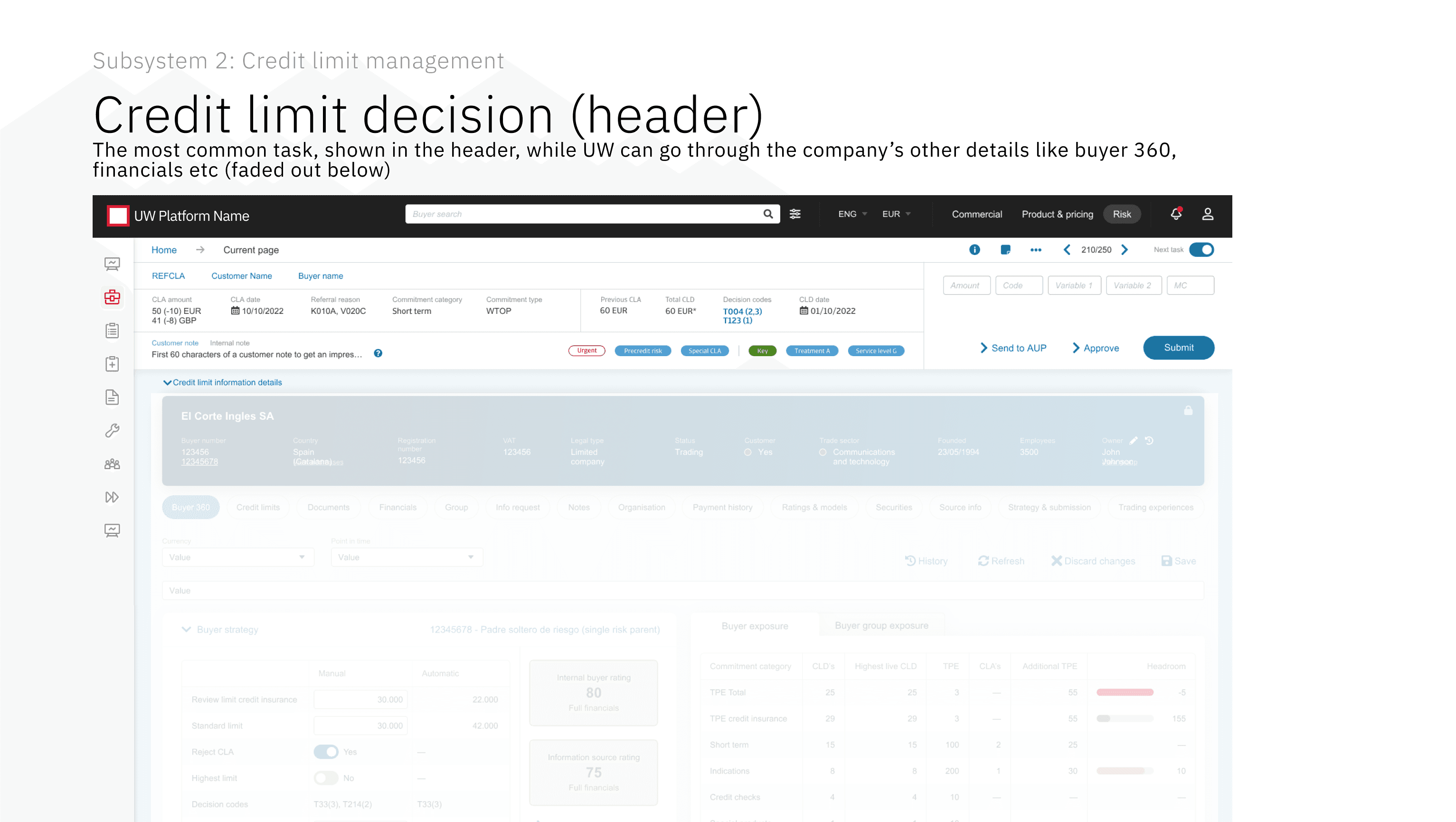
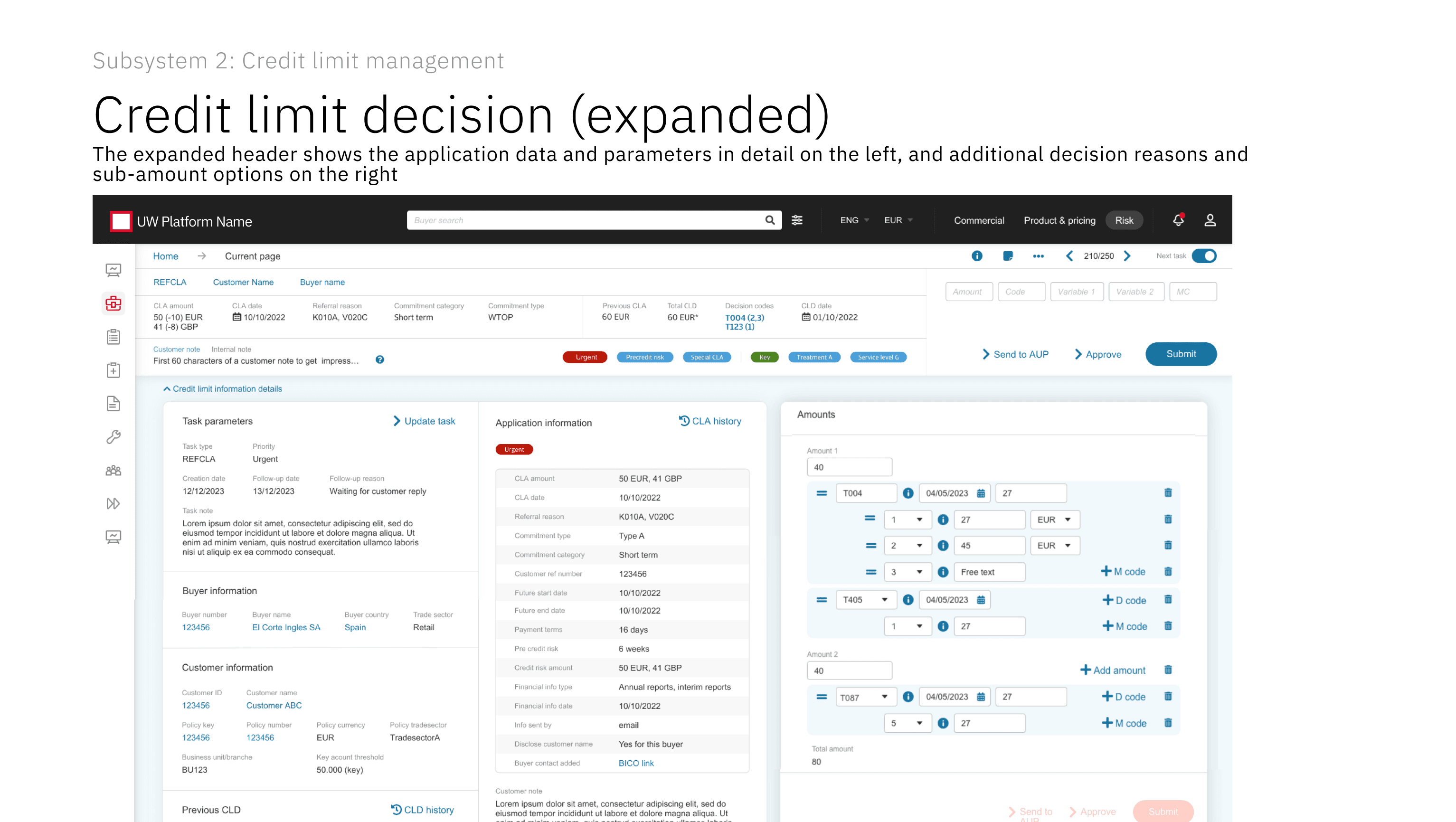
Final UI and features
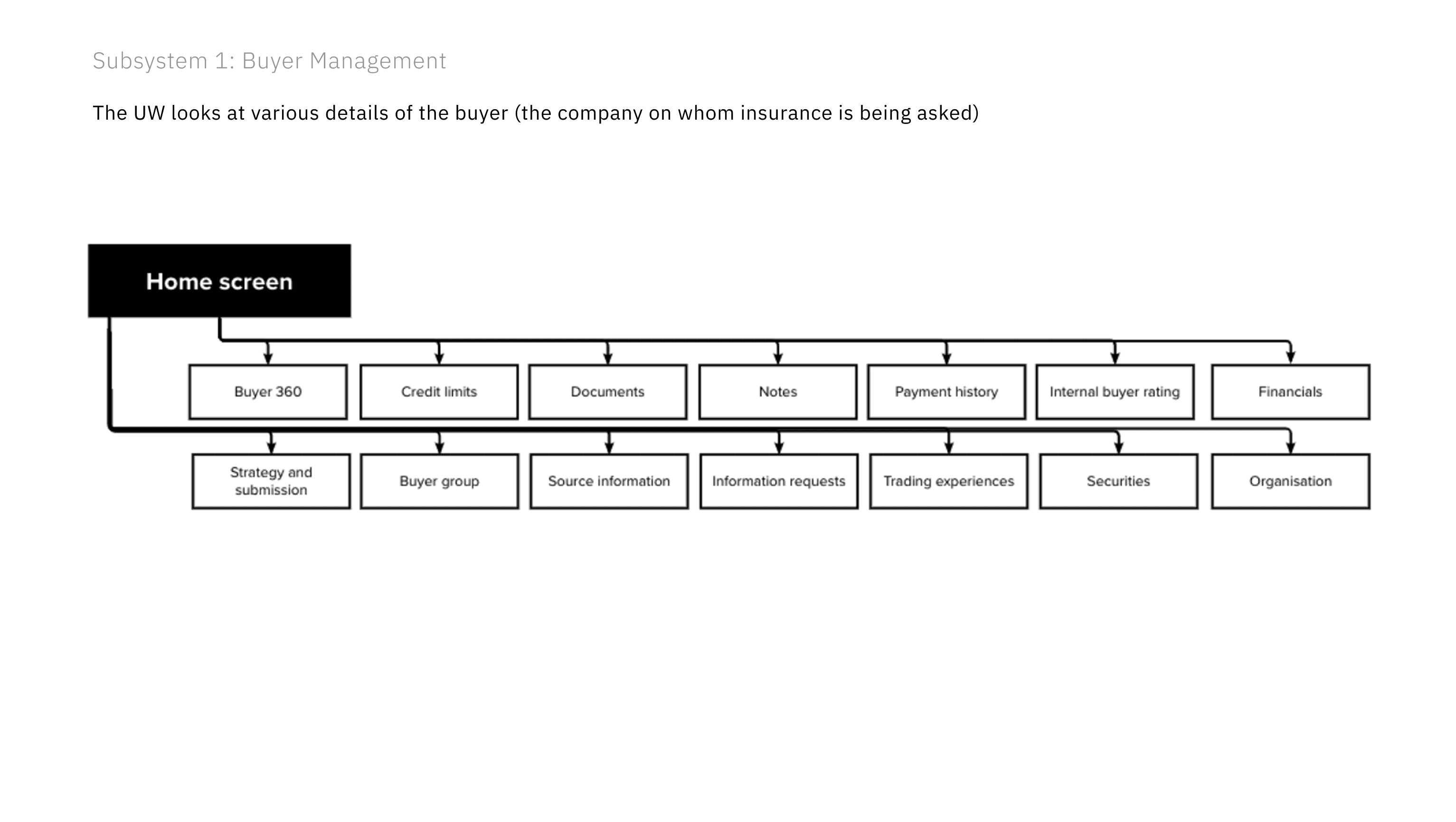
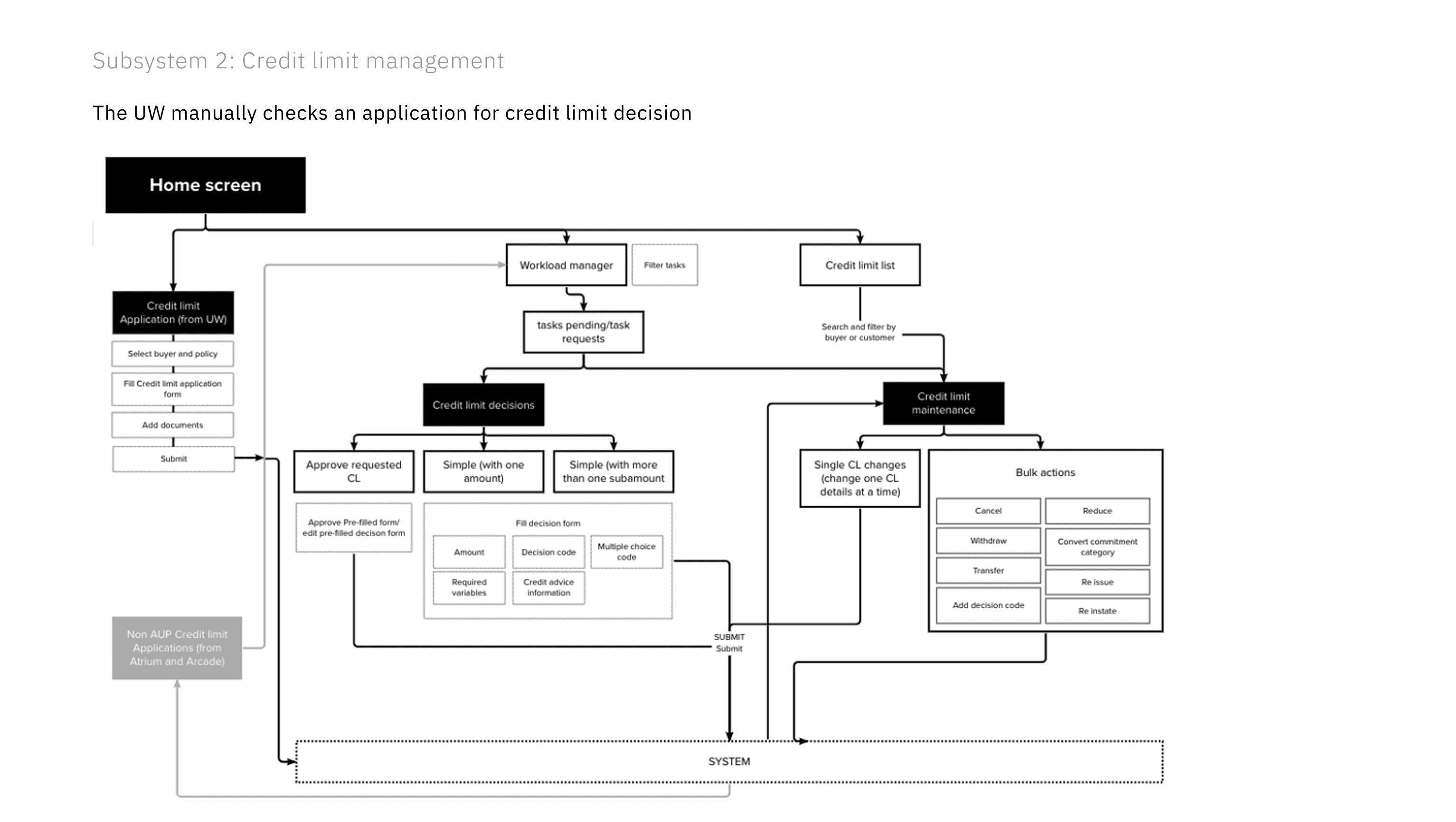
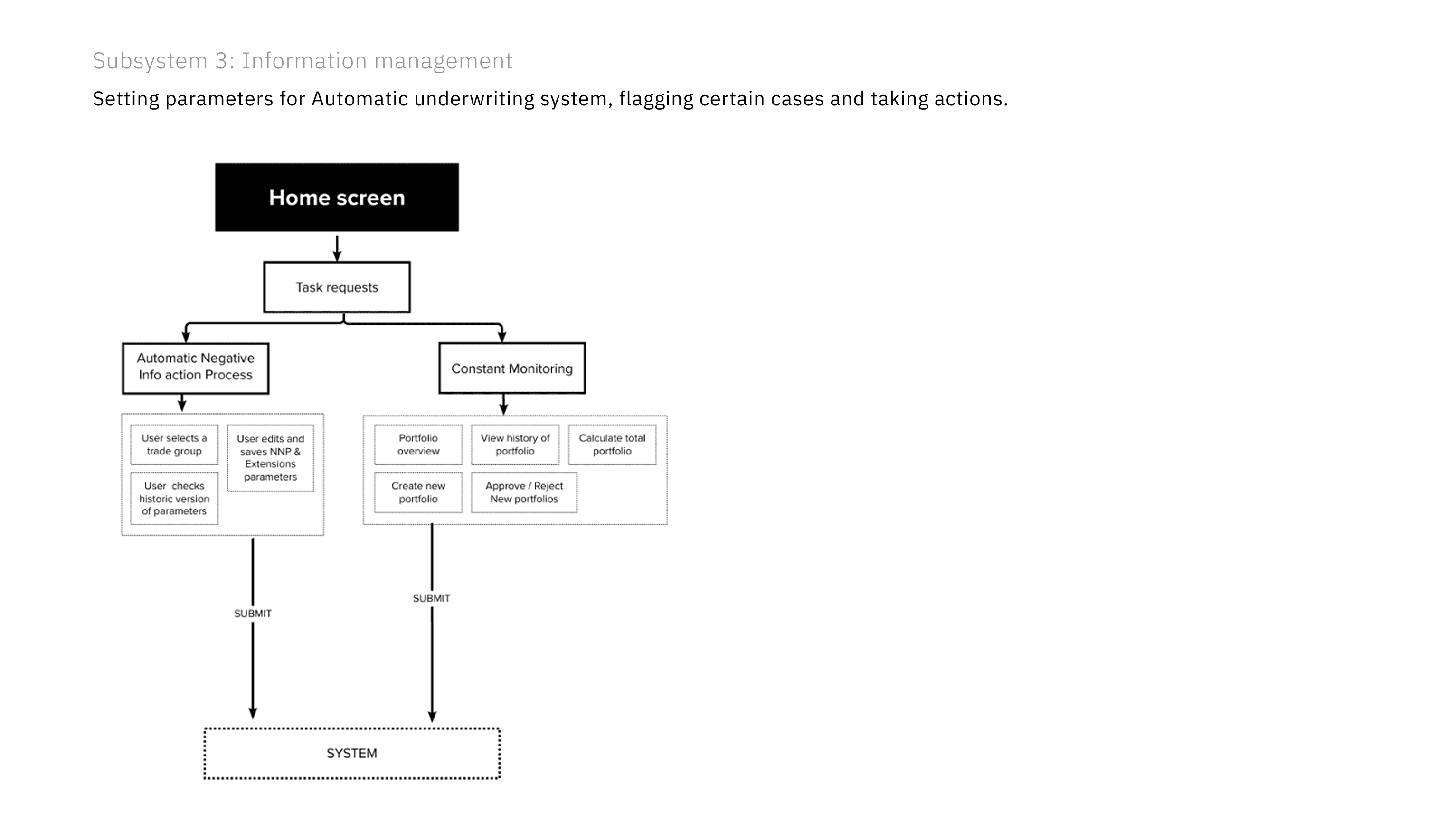
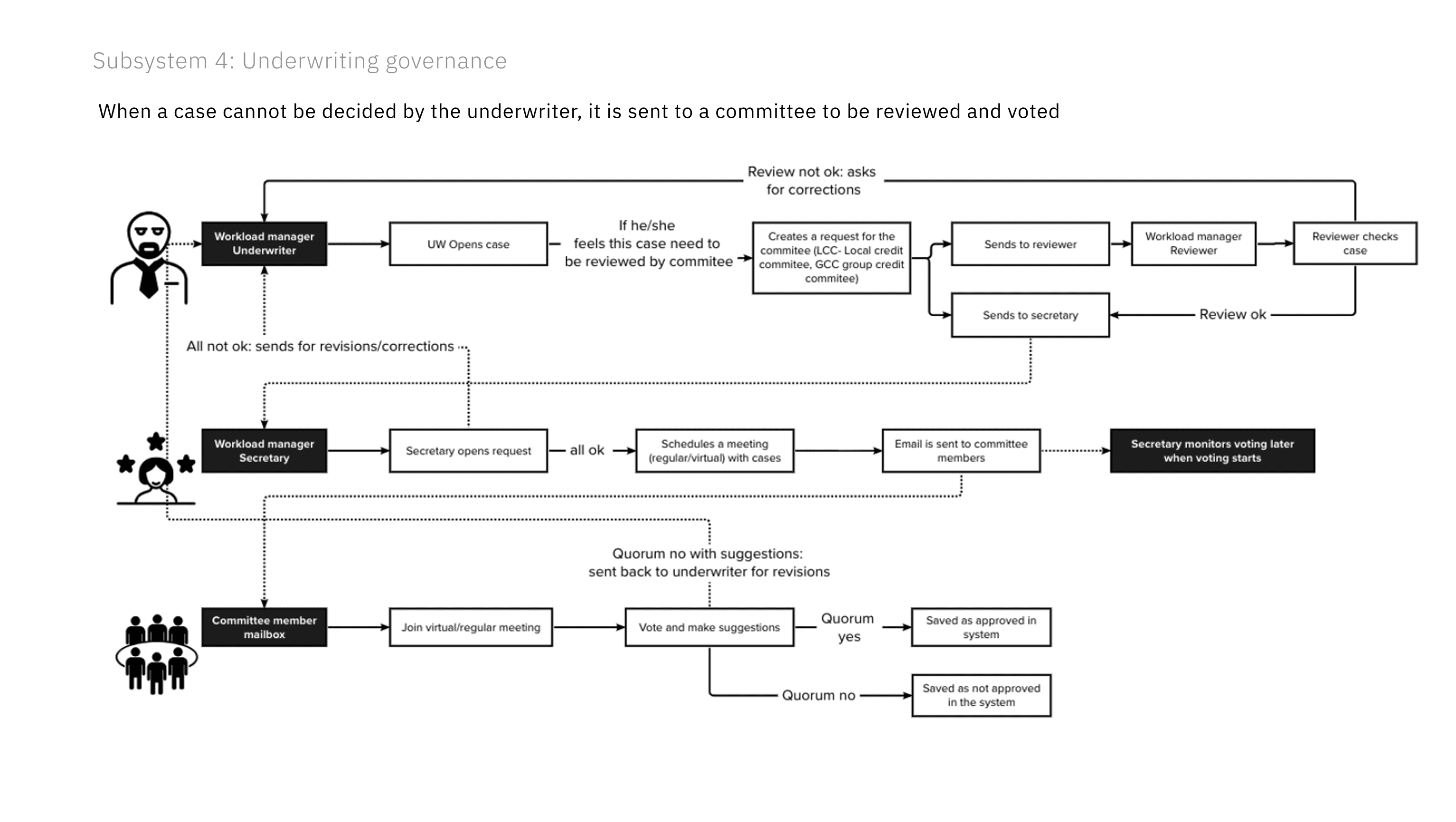
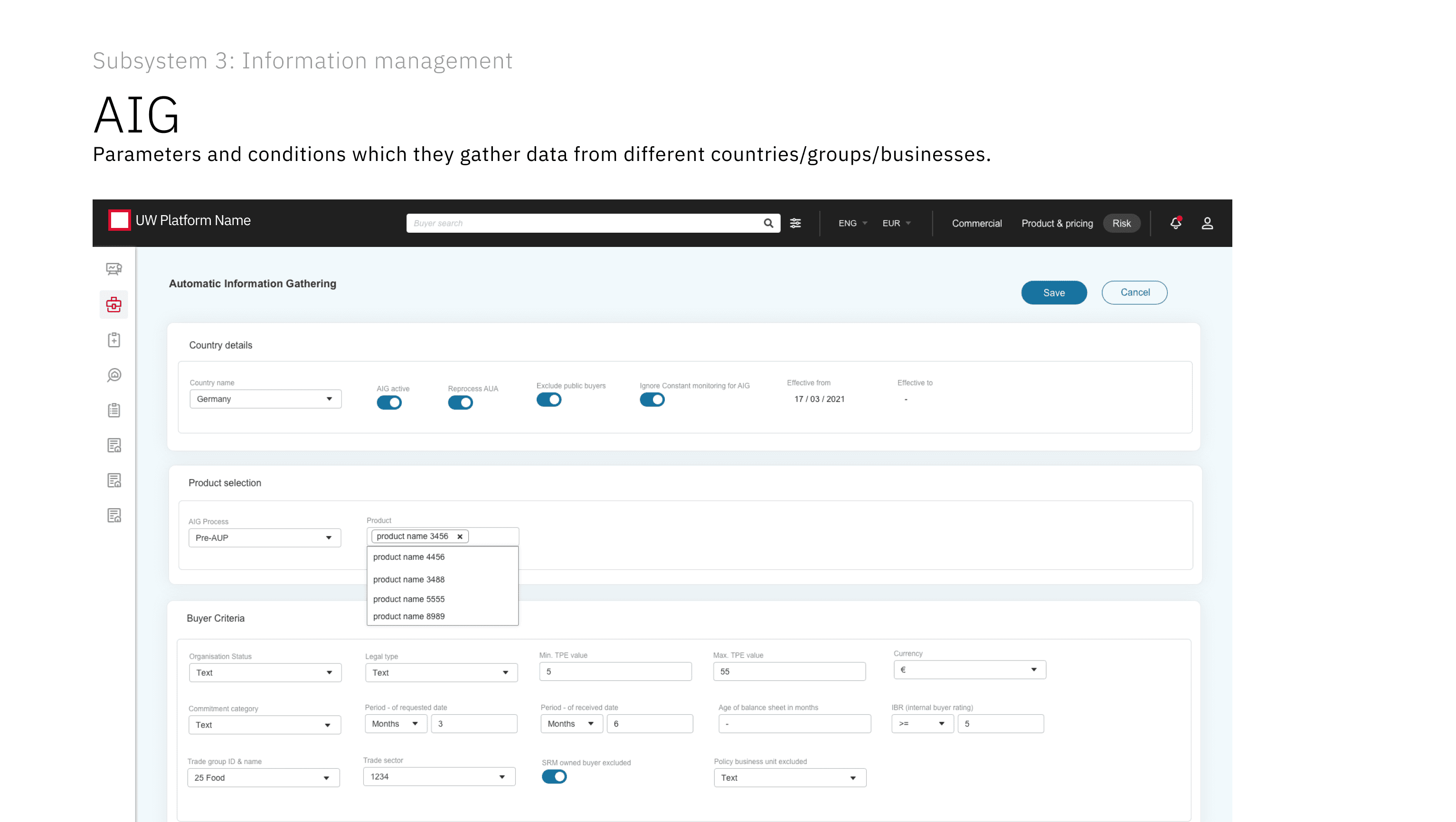
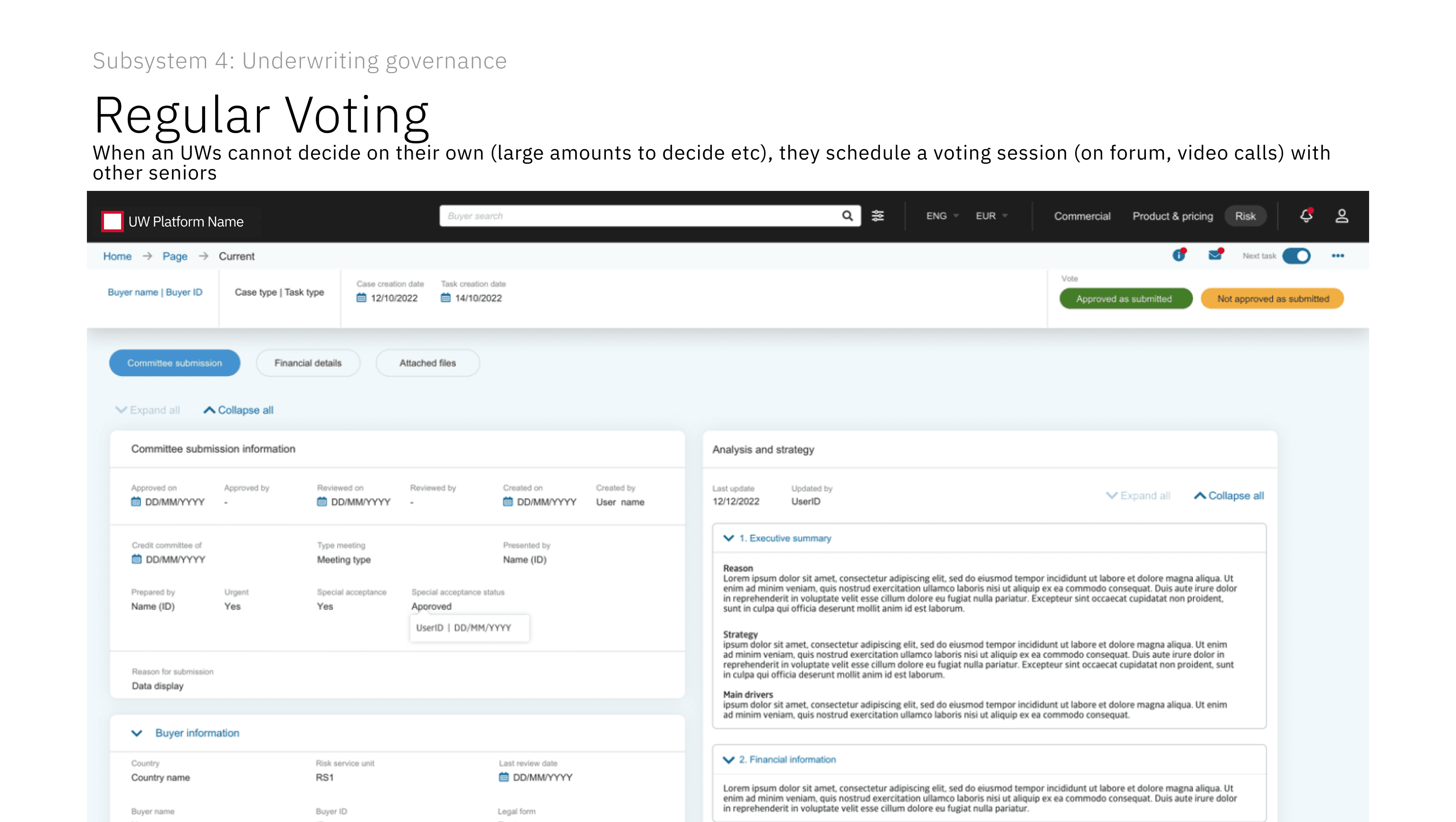
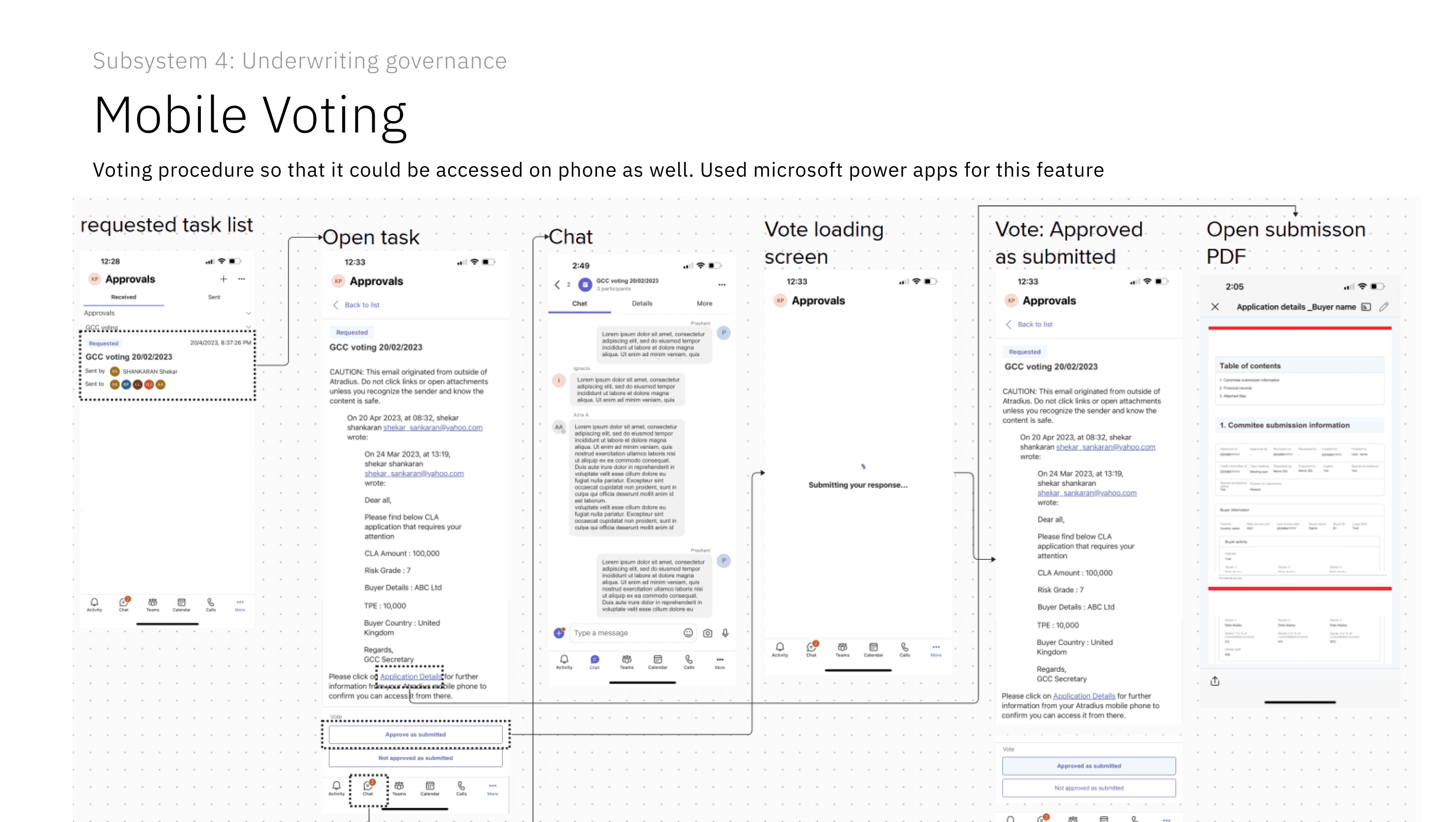
Each phase of the process is classified into subsystems and every subsystem as different features (slide to see more)
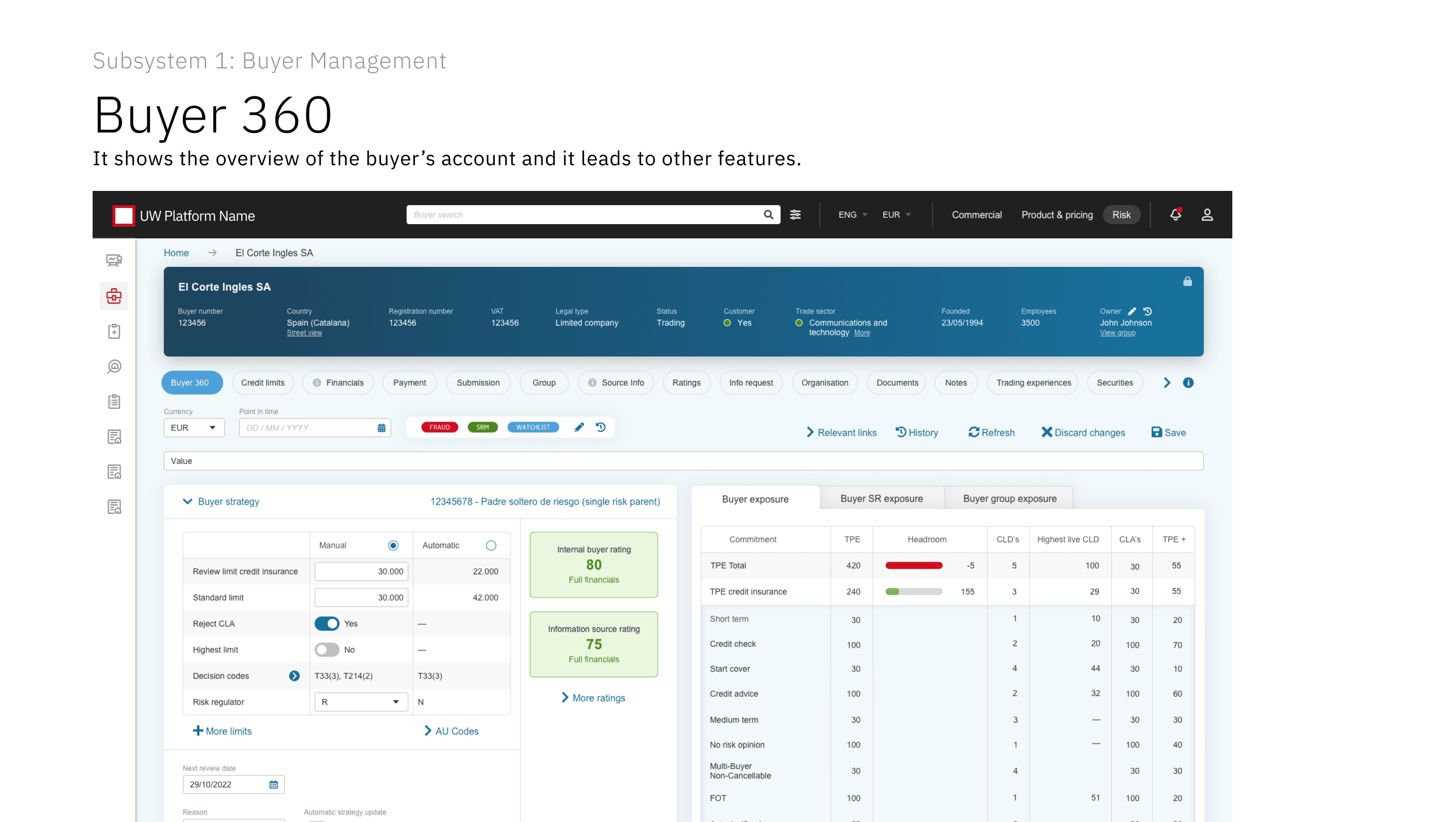
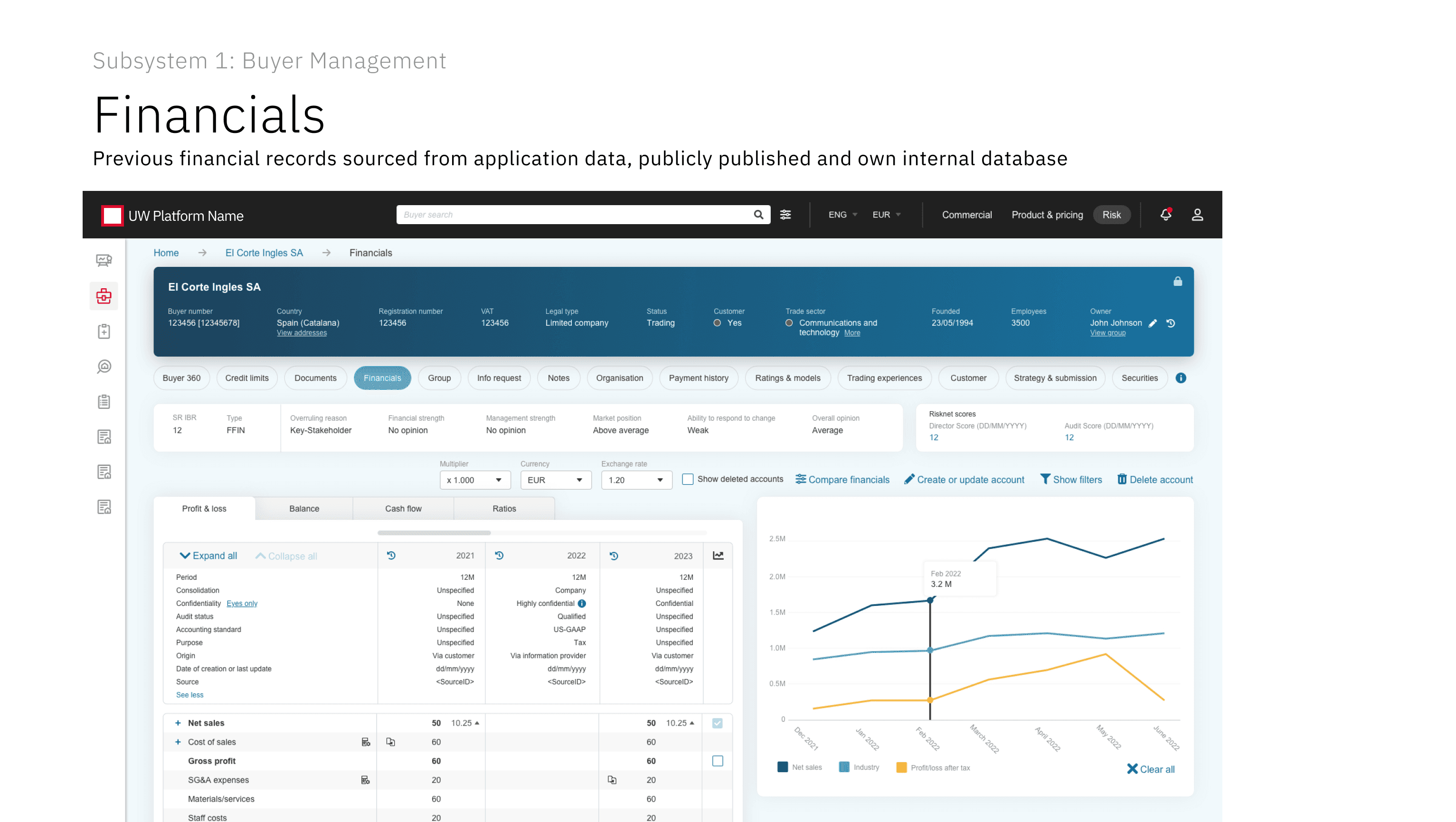
Some important features (slide to see more)
Key Takeaways
Working with the expert users and leading the design comes with its own challenges and learnings. In terms of managing and communication, these were some takeaways for me:
Understanding the big picture is most important.
Always over communicate to ensure everyone are on the same page
Make the expert user collaborators